

how to style teen bedroom vanities with mini fridges for summer skincare storage
If you've got a teen who's discovered skincare, you know the drill: serums, toners, masks, and moisturizers accumulating faster than laundry. Add summer heat to the equation, and suddenly those expensive serums and sheet masks need proper storage to stay effective. I've set up countless teen vanities over the years, and the game-changer? A compact mini fridge tucked under or beside the vanity desk. It keeps products stable, extends their shelf life, and honestly, there's something about a cold jade roller on a stressed morning that feels like actual self-care. This guide walks you through building a functional, storage-smart vanity setup that survives the chaos of teen life without taking over the entire bedroom.
Our Top Picks
Affiliate disclosure: if you buy through these links, we may earn a commission at no extra cost to you.


MegLob Mini Beauty Makeup Fridge, Mask Lipstick Perfume Cooler, Household Dresser Desktop Cosmetic Storage Box - with Mask Heating Compartment And Drawer,Pink
$281.98Check price on Amazon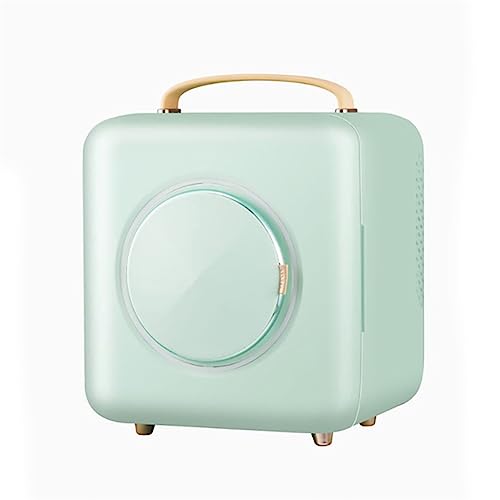
The best vanity isn't about having the most stuff—it's about having the right stuff in the right place, so morning routines stay calm and weekend beauty sessions feel intentional instead of frantic. We'll cover lighting that actually works (not just photographs well), organizers that hold what they claim to hold, and how to make a mini fridge do double duty without wasting precious floor space. Whether you're working with a shoebox bedroom or splurging on a dedicated vanity area, these steps are built for real life: crowded school mornings, shared bathrooms, and the kind of organization systems that stick because they're genuinely convenient.
Table of Contents
- Start with Your Space: Measuring Before You Buy
- Choose Your Vanity Desk: Compact Doesn't Mean Cramped
- Lighting That Works: Why Your Makeup Doesn't Look Gray
- The Mini Fridge Strategy: Where It Fits and What Goes Inside
- Organizers and Storage: Clear Acrylic Systems That Actually Work
- Frequently Asked Questions
Start with Your Space: Measuring Before You Buy
I cannot stress this enough: measure your actual space before you buy a single item. Get a tape measure, measure the wall space where the vanity will go, the vertical distance from floor to window or shelf, and the depth of the available space. I've seen so many gorgeous vanity setups that just didn't fit because someone assumed. One family bought a 48-inch vanity for a bedroom with only 42 inches of usable wall space. It's still in their garage.
Think vertical. A 36-inch vanity is usually the sweet spot for a teen bedroom—wide enough to hold a mirror, organizers, and workspace, but not so sprawling that it dominates the room. If floor space is tight, measure the wall space above the vanity too. You can hang floating shelves at 48 to 60 inches high (above eye level, so they don't interfere with mirror use) for skincare products and hair tools. The mini fridge usually needs 12 to 18 inches of clearance on either side, so factor that into your floor plan. If the bedroom is under 100 square feet, you might even consider a wall-mounted shelf desk instead of a traditional vanity to save precious floor real estate.
Choose Your Vanity Desk: Compact Doesn't Mean Cramped
Your vanity desk is the foundation of everything. I've tested small, medium, and oversized options, and here's what actually works: a 36-inch desk with a surface depth of at least 18 inches. This gives you enough room for a lighted mirror (which typically needs 12 to 16 inches of depth), a small organizer, and still leaves space to actually use the vanity. Anything shallower than 16 inches feels cramped the moment you add a mirror and a cup of brushes.
Material matters for teen bedrooms. A laminate or engineered wood top is way more practical than real wood—it resists moisture from skincare products and splashes, and it's genuinely easier to clean. White, light oak, or soft gray finishes show the vanity and its contents clearly, which helps with organization. If the bedroom has limited space, look for vanities with built-in storage: a single drawer underneath is enough for backup brushes, hair clips, and false lashes. The drawers should have smooth, ball-bearing glides (not cheap plastic tracks) so they actually open and close properly over time. Expect to spend $80 to $200 for a solid, functional small vanity—spending less usually means flimsy legs or drawers that stick immediately.
Lighting That Works: Why Your Makeup Doesn't Look Gray
This is where I see the biggest mistakes. Vanity lighting isn't about being bright—it's about being accurate. Natural daylight (5,000 to 6,500K color temperature) is the gold standard, but if the bedroom gets limited natural light, you need a mirror with built-in LED lighting that mimics that range. Cheap LED strips make everything look washed out or orange-tinted, and then your teen does her makeup under those lights, leaves the house, and it looks completely wrong under actual daylight.
I recommend a lighted makeup mirror with 12 to 20 built-in LEDs, color temperature adjustable between 3,000K (warm) and 6,500K (daylight), and touch or button controls. Size-wise, a 22 to 26-inch wide mirror gives you enough reflection to see your full face and the products you're working with. Anything smaller than 20 inches feels like you're staring at a close-up of your left cheekbone. The mirror should be positioned at eye level when sitting (around 48 to 54 inches from the floor to the center of the mirror), tilted slightly back so you can see from forehead to collarbone. If the vanity has a small footprint, a magnifying side mirror (usually 5x magnification, attached to the main mirror on an arm) gives you detail work capability without taking up extra space.
Budget $40 to $80 for a quality lighted mirror with real LED brightness and color control. Don't buy the $15 USB-powered versions from discount stores—they're dim, the battery dies, and they usually don't come back. Spend the extra $30; your teen will actually use it, and it'll last through college. Make sure it has a cord with an on-off switch (not always-on), and place the outlet within reach but not directly behind the mirror where it creates glare or heat.
The Mini Fridge Strategy: Where It Fits and What Goes Inside
The mini fridge is the summer skincare MVP, but placement is everything. A standard compact fridge (like a 4-liter or 6-liter personal cooler, which measures about 10 inches wide, 12 inches deep, and 14 inches tall) fits neatly under most vanity desks without blocking legroom. Some teens prefer a slightly larger cube-style fridge (about 16 inches per side) positioned beside the vanity as a nightstand alternative—it holds more and doubles as a surface for a lamp or alarm clock. The trade-off is floor space; make sure your teen can still open the door fully and doesn't kick it every time she sits down.
What actually goes in the mini fridge? Sheet masks and hydrating face masks last way longer when chilled, and applying a cold mask on a summer morning is genuinely soothing. Eye patches, essence sprays, and toners also benefit from cool storage. Sunscreen doesn't need to be refrigerated, but a cold sunscreen feels better on hot skin, so it's a bonus. Retinoids and vitamin C serums are photosensitive and heat-sensitive, so they genuinely benefit from cool, dark storage—much more than a regular shelf. Avoid storing makeup foundations or powders in the fridge unless they're specifically formulated water-based products; oils separate and textures change. The mini fridge should stay between 50°F and 60°F—most compact models have a dial to adjust this. Check it weekly in summer to make sure it's not getting too cold (which can damage certain formulations) or too warm (which defeats the purpose).
Cost-wise, a solid personal mini fridge runs $30 to $60. They're quiet (important for a bedroom), use minimal electricity, and pay for themselves in extended product shelf life. Avoid super-cheap models with loud compressors or models that frost over frequently—they're usually frustrating after two weeks. Read reviews specifically about noise level and temperature stability before buying.
Organizers and Storage: Clear Acrylic Systems That Actually Work
Here's my hard truth about acrylic organizers: the pretty small ones you see on Instagram are genuinely too small for real skincare collections. A 3-tier acrylic organizer that looks adorable in photos? Each tier is maybe 4 inches wide. That holds three to four bottles, and then you're stacking and it's a mess. Buy organizers that are actually functional: 6 to 8 inches wide minimum, with compartments large enough for a standard 1.7-ounce bottle to stand upright without tipping.
I recommend a tiered acrylic organizer (three to four levels, about 8 inches wide and 10 to 12 inches tall) for serums, toners, and essences—the daily-use products that need to be visible and accessible. Cost is usually $20 to $35 for a quality one. Add a separate drawer organizer (the kind with 4 to 6 compartments, $12 to $18) inside the vanity desk drawer for brushes, applicators, and backup products. A clear makeup brush holder (cylindrical, about 3 inches diameter and 4 inches tall, $8 to $15) sits on the vanity surface near the mirror—don't store brushes in drawers where they get crushed or damp. Sheet masks and face masks? A small clear container or basket (about 8 x 6 x 4 inches, $10 to $15) that slides into the mini fridge or under the vanity keeps them visible and prevents the "I know I have a sheet mask somewhere" panic before bed.
Labels are your secret weapon. Use a label maker or permanent marker to mark "Morning Routine," "Treatments," "Masks," "
Frequently Asked Questions
How do I choose the best vanity desk size for a small teen bedroom?
Measure your available wall space and doorways before purchasing, as the article recommends, to ensure the vanity fits without overwhelming the room. Look for compact vanity desks (typically 24-36 inches wide) that still offer sufficient surface area and storage drawers for makeup, skincare, and a mini fridge underneath.
What is the best lighting for a makeup vanity mirror?
Lighted makeup mirrors with LED bulbs that mimic natural daylight (around 5000K color temperature) are ideal, as they prevent your makeup from looking gray or washed out under poor lighting. Position the mirror to avoid shadows on your face and ensure the lighting is bright enough for detailed makeup application and skincare routines.
Is it worth getting a mini fridge for skincare storage?
Yes, especially during summer months when heat can degrade expensive serums, toners, and sheet masks. A beauty mini fridge keeps these products at optimal temperatures, extending their shelf life and effectiveness—making it a worthwhile investment for teens serious about their skincare routine.
How do I organize makeup and skincare products on a vanity?
Use acrylic organizers with compartments to categorize products by type (serums, moisturizers, masks, etc.) and keep frequently used items within arm's reach. Store temperature-sensitive products in your mini fridge and arrange daily-use items in drawers or on the vanity surface for easy access during your skincare routine.
What storage solutions work best under a vanity desk?
A compact beauty mini fridge fits perfectly in the knee space under most vanity desks, providing dedicated cold storage for skincare while leaving room for additional storage baskets or shelving units. This maximizes vertical space and keeps your vanity area organized without taking up extra floor space in a small bedroom.
How do I prevent my makeup from looking different at home versus outside?
Install a lighted vanity mirror that accurately replicates natural daylight conditions, as this ensures your makeup application looks the same in indoor and outdoor lighting. Avoid mirrors with poor or yellow-tinted lighting, which can cause you to apply makeup incorrectly and appear different when you leave your room.


